

Blood Type Diet: Separating Fact from Fiction


RD Note
I've been getting a lot of emails lately asking about the blood type diet. Let me be upfront: both professionally and personally, I don't agree with this approach to nutrition. However, I'm always interested in understanding why certain diet trends gain traction, and I believe in examining the evidence rather than dismissing things outright.
So I dove into the research—and I want to share what I found with you. Whether you're curious about trying this diet or have been asked about it by friends and family, here's what the science actually says.
The Promise Sounds Simple—But Does It Hold Up?
You've probably heard the pitch: eat according to your blood type, and you'll lose weight, prevent disease, and optimize your health. Type O? Load up on meat. Type A? Go plant-based. It sounds personalized, scientific, and appealing. But as a nutritionist, I'm here to ask the hard questions before you overhaul your entire diet based on what flows through your veins.

The Origins: Where Did This Come From?
The blood type diet traces back to James D'Adamo, who first proposed connecting blood types to food choices. His son, Peter D'Adamo, expanded the theory in his popular book Eat Right for Your Type. The central claim? Different blood types evolved at different points in human history, and each should eat according to their ancestral diet:
Type O: The "hunter" - eat like our meat-eating ancestors
Type A: The "agrarian" - embrace a plant-based, farming diet
Type B: The "nomad" - enjoy a diverse diet with dairy
Type AB: The "modern" mix - a complex combination diet
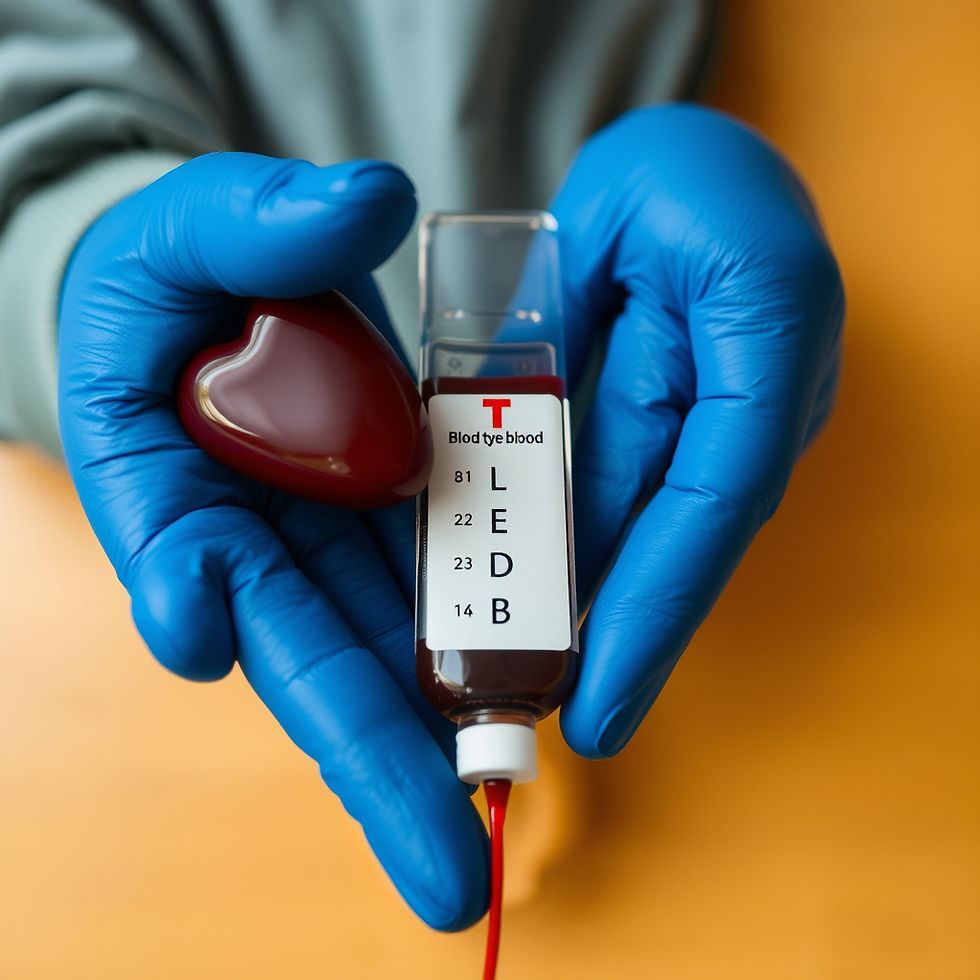
The theory suggests that foods incompatible with your blood type cause agglutination (clumping) and lead to health problems. It's an attractive narrative that combines evolution, biochemistry, and personalized nutrition.
But Here's What the Science Actually Shows

Study #1: The Debunking
University of Toronto researchers examined 1,455 healthy adults, comparing their eating habits to blood type diet recommendations. The verdict? No correlation between following blood type diets and improved health markers.
People felt better when following certain patterns—but it had nothing to do with their blood type. Type A individuals thrived on plant-based diets, sure—but so did Type O and Type B individuals who ate the same way.
Critical limitations:
Short-term study with a single questionnaire
Self-reported dietary data (notoriously unreliable)
But the core finding remains: blood type didn't predict who benefited from which diet
Study #2: The Allergy Connection
A 20-year study by Dr. Laura Power examined whether food allergies correlate with blood types. The findings were more nuanced:
Type A: Higher egg allergies, fewer dairy issues
Type B: Most food allergies overall, especially seafood
Type O: Highest dairy allergies
Type AB: Lowest food hypersensitivity

Interesting, right? But here's the catch: these patterns show allergies, not optimal diets. Having a Type O dairy allergy doesn't mean Type O individuals should eat steak for breakfast. It just means some Type O folks might need to avoid dairy—just like people of any blood type might.
The Red Flags
As a nutrition professional, several aspects concern me:
1. It's reductionist. Your optimal diet depends on far more than blood type: genetics, gut microbiome, activity level, health conditions, cultural food practices, and personal preferences all matter.
2. The mechanism doesn't add up. Yes, mixing incompatible blood types during transfusions causes agglutination. But dietary lectins don't interact with your blood the same way. The leap from transfusion science to nutrition is scientifically unsound.
3. It's a classic fad diet. Restrictive rules, evolutionary storytelling, a charismatic founder, and anecdotal success stories—all the hallmarks are there.
4. Individual variation is ignored. Not everyone with Type A blood responds the same way to vegetables. Not every Type O person thrives on meat.
What Actually Matters in Nutrition
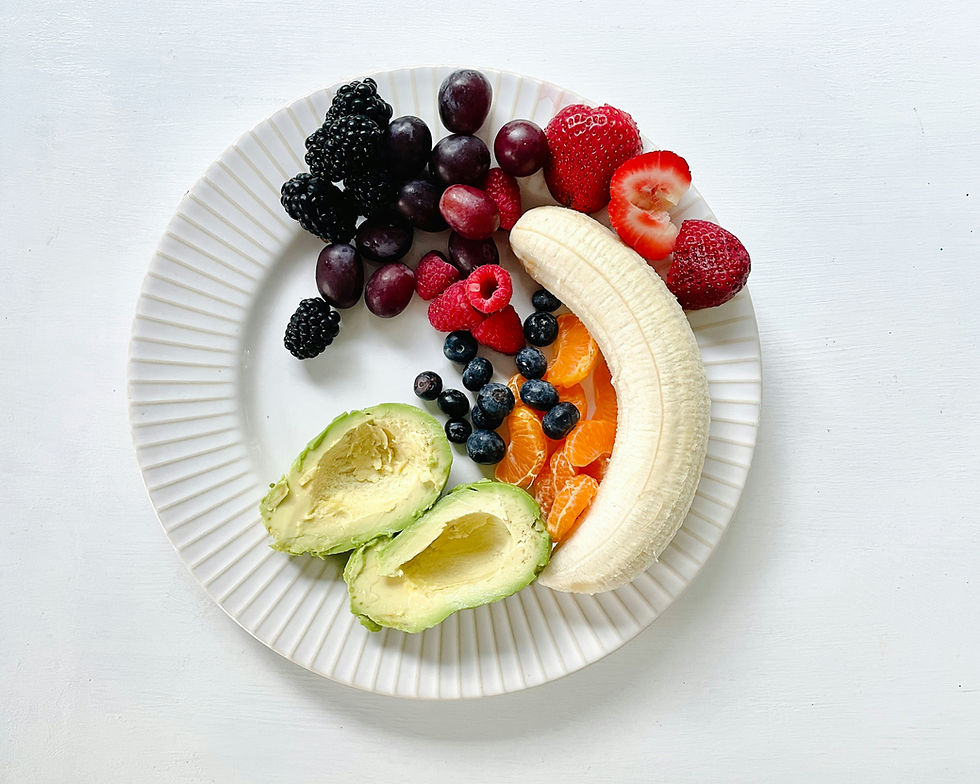
If the blood type diet helps someone eat more vegetables, reduce processed foods, and pay attention to how food makes them feel—great! But those benefits come from eating more whole foods, not from matching meals to antigens.
Evidence-based nutrition focuses on:
Whole, minimally processed foods
Adequate fruits and vegetables
Appropriate protein for your needs
Healthy fats
Individual tolerance and preferences
Actual food allergies and sensitivities (which can be tested)
The Bottom Line
The blood type diet makes a compelling story, but compelling stories don't always make good science. While some research shows patterns in food allergies by blood type, this doesn't validate the broader dietary recommendations.
Your blood type might influence your allergy risk, but it shouldn't dictate whether you're a "hunter" or a "farmer" at the dinner table.
My advice? Save your energy for evidence-based nutrition strategies. If you suspect food sensitivities, work with a healthcare provider for proper testing—not a blood type chart.
Because at the end of the day, good nutrition isn't about your blood type. It's about eating real food, listening to your body, and making sustainable choices that work for you.
Have you tried the blood type diet? What was your experience? Let's discuss in the comments below.


Comments